

· fitness · 13 min read
Full-Body vs Split Workouts Explained
When weekly sets are equal, full-body and split routines build similar muscle. Compare the evidence, pros, cons, and sample weeks to pick by schedule.
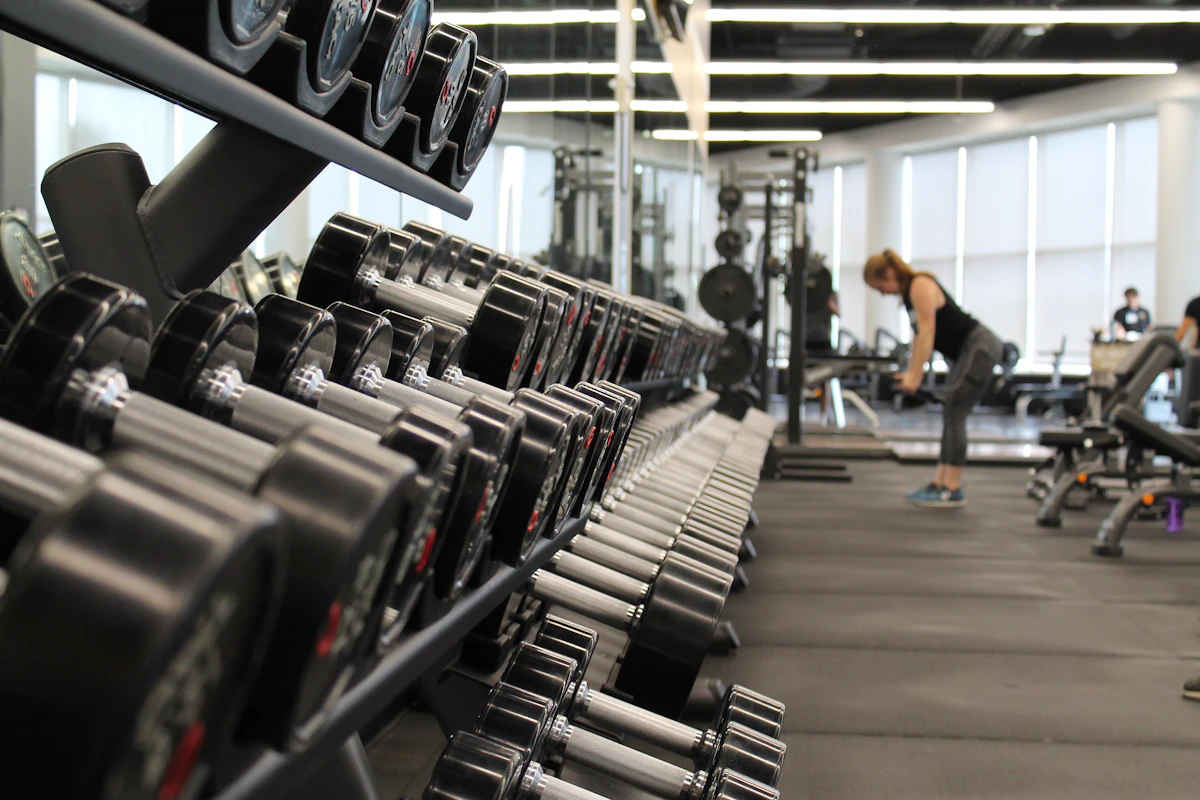
If you can train only three days a week, should every session hit your whole body, or should you split muscles across days? And if you can train five days, does a split finally pull ahead? This guide answers the full-body vs split question with the actual head-to-head evidence, the practical trade-offs nobody can meta-analyze away, and sample weeks for both paths.
The Short Answer
When weekly hard sets per muscle are equal, full-body and split routines build about the same muscle and strength. That is the headline of a 2024 systematic review with meta-analysis covering 14 studies and 392 subjects: no significant difference between split and full-body routines for bench press strength, lower-limb strength, or hypertrophy at any measured site.1
So the structure of your week matters far less than most gym debates suggest. What matters is total weekly work per muscle, how close those sets go to failure, progression over months, and whether you actually keep showing up. Pick the layout that fits your calendar, lets each session stay sharp from the first exercise to the last, and gives sore joints enough breathing room. The rest of this guide shows how to make that call for two, three, four, or five-plus days per week.
What Each Approach Actually Means
The labels get thrown around loosely, so here are working definitions before any comparison.
Full-Body Training
Every session trains most major muscle groups: a push, a pull, a squat or hinge pattern, and usually some direct arm or core work. A minimalist session might be just squat, bench press, row, and Romanian deadlift. A fuller hypertrophy session adds lateral raises, curls, extensions, and calves. Frequency per muscle is high — typically two to four times per week — while sets per muscle per session stay low, often three to five. Because each muscle is revisited quickly, no single session buries you in soreness, but sessions run longer once you add enough assistance work for balanced development.
Split Routines
A split divides the body across days so each session hammers fewer muscles with more sets. The common templates:
- Upper/lower: alternate upper-body days with lower-body days, usually over four weekly sessions. Each half gets hit twice per week with moderate per-session volume.
- Push/pull/legs (PPL): one day for pushing muscles (chest, shoulders, triceps), one for pulling (back, biceps), one for legs. Run once a week over three days or cycled twice across six days.
- Bro or body-part split: one large muscle per day (chest day, back day, leg day). Each muscle gets a big single dose weekly, sometimes with a second lighter touch.
Frequency per muscle drops to one or two times weekly while per-session sets climb to eight or more. Sessions feel focused and can be shorter per muscle group, but a missed day leaves that muscle untrained for the whole week. Our upper/lower split guide and push/pull/legs routine lay out both templates day by day if you want the full session details.
What the Research Says When Volume Is Equal
The cleanest head-to-head data comes from the 2024 review by Ramos-Campo and colleagues. Across 14 studies comparing split and full-body layouts, bench press strength gains were statistically indistinguishable (mean difference 1.19, p = 0.34), lower-limb strength gains were indistinguishable (mean difference 2.47, p = 0.29), and hypertrophy of the elbow flexors, elbow extensors, vastus lateralis, and whole-body lean mass all showed p-values of 0.84 or higher — essentially identical growth.1
A representative trial worth understanding in detail randomized 67 untrained men to eight weeks of either a twice-per-week A/B split (eight sets per muscle per session) or a four-times-per-week full-body plan (four sets per muscle per session). Weekly volume was fixed at 16 sets per muscle group for both. Bench press and squat one-rep maxes improved in both groups with no between-group difference, and ultrasound muscle thickness at the arms and thighs grew equally.2
Zoom out one level and the same pattern holds for training frequency generally. A 25-study meta-analysis by Schoenfeld and colleagues found no significant hypertrophy advantage for higher versus lower weekly frequency once volume was equated, in trained lifters, untrained lifters, and upper- versus lower-body segments alike. Higher frequency only looked better in studies where it smuggled in extra sets.3 On the strength side, Grgic and colleagues pooled 22 studies and found the same verdict: higher frequency produced bigger strength gains overall, but the effect vanished (p = 0.421) in the volume-equated subgroup — frequency was a vehicle for volume, not a stimulus of its own.4
Two caveats keep this honest. First, most subjects were untrained or moderately trained, so elite bodybuilders chasing the last two percent should read less into it. Second, “volume equated” is doing heavy lifting in every one of these papers: the moment a split lets you tolerate meaningfully more hard sets per week, the split wins — not because of magic in the layout, but because you did more work.
Why Volume Explains Most of the Debate
Weekly hard sets per muscle — sets taken within a few reps of failure — predict growth better than the day labels on your calendar. Two mechanisms explain why the layout itself fades in importance.
First, muscle protein synthesis stays elevated roughly a day or two after a session, which once fueled the argument that you must re-stimulate each muscle every 48 hours. But total weekly synthesis, driven by total hard sets, tracks long-term growth more closely than the exact spacing of the spikes. Spreading 12 weekly sets as 4+4+4 or 6+6 changes the ripple pattern without changing the water level much.
Second, per-session quality decays. Sets six through ten for one muscle in a single marathon session are rarely as forceful as sets one through five, because local fatigue, glycogen depletion, and flagging focus erode performance. Splitting those ten sets across two days often preserves bar speed and mind-muscle connection on the later sets. Conversely, condensing too aggressively — say, 16 sets for chest in one bro-split Monday — means the back half of the session runs on fumes. This is why both camps can cite real lifters: the full-body advocate who grows on three crisp sessions and the split devotee who grows on five focused ones are both just doing enough quality sets per week. Our weekly sets volume guide is the natural companion here if you want per-muscle set targets before choosing a layout.
Full-Body Pros and Cons
Full-body training shines when gym days are scarce. Two or three visits cover everything, each muscle gets stimulated multiple times weekly (useful for skill practice on the squat, bench, and deadlift), and missing one session costs you a fraction of every muscle rather than an entire body part. Beginners benefit disproportionately: frequent practice of the same lifts with moderate per-session fatigue builds technique fast, and soreness stays manageable because no muscle takes a huge single-day beating.
The costs appear as you advance. A balanced full-body session for an intermediate doing eight-plus exercises runs 75 to 100 minutes, and the last movements suffer — good luck giving lateral raises or calf work your best after heavy squats, presses, rows, and hinges. Sequencing becomes a puzzle: whatever goes last gets short-changed, so you must rotate exercise order across the week. Very strong lifters also find that heavy full-body sessions demand long warm-ups for multiple joints, stretching gym time further. And if you love chasing a deep pump in one area, full-body work can feel scattered compared with an hour devoted to a single region.
Split Routine Pros and Cons
Splits solve the session-length problem by narrowing each day’s focus. An upper day or push day lets you attack chest, shoulders, and triceps with full energy, use more exercise variety per muscle (flat press, incline press, flyes in one visit), and finish before fatigue wrecks your form. For lifters training four to six days, splits keep every visit under an hour while weekly volume climbs — the main reason advanced bodybuilders drift toward them. Extra recovery days per muscle also suit lifters with cranky joints who feel worse training heavy compounds every 48 hours.
The fragility is scheduling. On a five-day bro split, skipping two sessions deletes 40 percent of your week, and the affected muscles wait a full seven days for another stimulus. Splits also tempt junk volume: with an hour reserved for chest, lifters invent a sixth and seventh movement long after effective reps have evaporated. Beginners on bro splits additionally practice each big lift only once weekly, slowing skill acquisition on the movements that drive most early strength gains. If your attendance is inconsistent, a split turns small disruptions into lost muscle groups.
Which Should You Choose?
Forget identity — “I am a full-body person” — and decide from your realistic weekly attendance, session length tolerance, and recovery. For a deeper look at the attendance side first, read how many days a week you should work out, then map the answer below.
If You Train Two or Three Days a Week
Run full-body sessions. With two visits, a split leaves each muscle trained once or less, while two full-body days give every muscle two growth-triggering exposures. With three visits, full-body work slots perfectly into Monday-Wednesday-Friday, and each session can stay under an hour with five to six movements if you lean on compounds. A canonical three-day setup: squat, bench, row, plus one hinge and one overhead press, with curls and extensions alternating by day. Lifters who prefer template variety can use the three-day routine built for muscle growth as the starting skeleton.
If You Train Four Days a Week
This is the genuine toss-up, so choose by session-length preference. Option A: upper/lower split — two upper days, two lower days, every muscle twice weekly with sessions around 60 minutes. Option B: two full-body strength days plus two full-body hypertrophy days with rotated emphasis. Upper/lower suits lifters who want each visit short and focused; full-body-times-four suits lifters who like practicing the big lifts constantly and don’t mind 75-minute visits. Either delivers the twice-weekly frequency the evidence base favors, so adherence breaks the tie: pick whichever you will still enjoy in week ten.
If You Train Five or Six Days a Week
Use a split — full-body six times weekly is a recovery fantasy for most natural lifters. Push/pull/legs across five days (PPL plus an upper or weak-point day) or a six-day PPL cycle keeps each visit sharp while pushing weekly sets into the upper ranges advanced lifters need. Keep at least one full rest day, watch for aching elbows and knees as the canary in the coal mine, and plan a deload week every six to ten weeks. High-frequency splitters should also track per-muscle weekly sets explicitly, because six-day enthusiasm easily doubles volume for favorite muscles while legs quietly stagnate.
Sample Weeks That Keep Volume Fair
Below are two four-day templates with roughly matched weekly volume — around 12 hard sets for chest, back, quads, and hamstrings — so the comparison is apples to apples. Treat isolation sets as flexible: add or remove one movement per muscle based on recovery.
| Day | Full-Body 4x (45–75 min emphasis rotates) | Upper/Lower 4x (50–65 min each) |
|---|---|---|
| Mon | Squat 4x5, bench 3x8, row 3x8, leg curl 2x10, curl 2x10 | Upper: bench 4x6, row 4x8, overhead press 3x8, lat pulldown 3x10, curl + extension 2x12 |
| Tue | Deadlift 3x5, overhead press 3x8, pull-up 3xMAX, incline dumbbell 2x10, calf 3x12 | Lower: squat 4x6, Romanian deadlift 3x8, leg press 3x10, leg curl 3x12, calf 3x12 |
| Thu | Front squat 3x8, incline bench 3x8, dumbbell row 3x10, hip thrust 2x10, lateral raise 2x12 | Upper: overhead press 4x6, weighted pull-up 4xMAX, incline bench 3x10, cable row 3x10, curl + extension 2x12 |
| Fri | Bench 4x5, squat 3x6, Romanian deadlift 2x8, row 3x8, face pull 2x15 | Lower: deadlift 4x5, front squat 3x8, Bulgarian split squat 3x10, leg extension 2x12, core 3x10 |
Notice both weeks bench and squat twice, row twice, hinge twice, and press overhead at least once. That overlap is the point: well-built programs converge on the same fundamentals regardless of label. Progress both by adding a rep within the target range, then load once you clear the top of the range with clean form.
Programming Rules That Matter More Than the Split
Whichever layout you choose, five variables decide most of your results. First, weekly hard sets per muscle: most lifters grow on roughly 8 to 16, with beginners at the bottom and advanced lifters at the top — add sets only while performance and soreness stay manageable. Second, proximity to failure: stop most sets one to three reps shy of technical breakdown, taking only the final isolation set of a session to true failure. Third, progression: beat last week by a rep or a small load jump on at least one movement per muscle; a gamified tracker like Workout Quest with XP, quests, and GIF exercise demos makes that week-over-week ledger hard to ignore. Fourth, exercise selection: anchor each muscle with one compound you progress for months, then rotate assistance work quarterly. Fifth, recovery scaffolding: sleep seven-plus hours, eat enough protein across three to four meals, and keep conditioning moderate rather than marathon.
Common Mistakes on Both Paths
Full-body lifters most often run sessions too long, stacking nine movements and wondering why arms never grow — the arms were trained exhausted at minute 85. Trim to five or six movements and rotate which muscle gets priority order each day. Split lifters make the mirror error: 25-set chest days where half the sets are theater, plus a disappearing leg day whenever motivation dips. Cap any single muscle at about eight hard sets per session and treat leg day as non-negotiable. Both camps share two failure modes: changing programs every three weeks before progression compounds, and adding volume forever without a deload until elbows, knees, or enthusiasm file a complaint.
The Bottom Line
Structure is packaging; weekly quality sets are the product. Train two or three days and go full-body. Train four and pick the layout whose session length you prefer. Train five or six and split. Then hold the layout steady for at least eight to twelve weeks, progress deliberately, and judge by the logbook — because the best split is the one you recover from and repeat.
Footnotes
-
Ramos-Campo DJ, Benito-Peinado PJ, Andreu-Caravaca L, Rojo-Tirado MA, Rubio-Arias JA. Efficacy of Split Versus Full-Body Resistance Training on Strength and Muscle Growth: A Systematic Review With Meta-Analysis. J Strength Cond Res, 2024. https://pubmed.ncbi.nlm.nih.gov/38595233/ ↩ ↩2
-
Evangelista AL, Braz TV, La Scala Teixeira CV, Rica RL, Alonso AC, Barbosa WA, Reis VM, Baker JS, Schoenfeld BJ, Bocalini DS, Greve JMD. Split or full-body workout routine: which is best to increase muscle strength and hypertrophy? Einstein (Sao Paulo), 2021. https://pmc.ncbi.nlm.nih.gov/articles/PMC8372753 ↩
-
Schoenfeld BJ, Grgic J, Krieger J. How many times per week should a muscle be trained to maximize muscle hypertrophy? A systematic review and meta-analysis. J Sports Sci, 2019. https://pubmed.ncbi.nlm.nih.gov/30558493/ ↩
-
Grgic J, Schoenfeld BJ, Davies TB, Lazinica B, Krieger JW, Pedisic Z. Effect of Resistance Training Frequency on Gains in Muscular Strength: A Systematic Review and Meta-Analysis. Sports Med, 2018. https://pubmed.ncbi.nlm.nih.gov/29470825/ ↩